Excess Inventory Buyers in Columbus, OH: Separate the Lot From the Orders Still Moving
LiquidationBuyout buys excess inventory in Columbus and nationwide — full-case branded overstock, returns pallets, mixed lots, and shelf pulls. This guide covers isolating a closeout lot from live fulfillment picking inside a working Central Ohio warehouse.
LiquidationBuyout.com buys excess inventory in Columbus and nationwide — full-case branded overstock, closeouts, and discontinued lines, plus returns pallets, mixed lots, and shelf pulls — and a Columbus lot is reviewed on whether it has been separated from the live operation around it: pulled out of the pick face, released from open-order allocation, and held under one count that daily picking can no longer shrink. The company has no Columbus warehouse and serves Columbus from 1305 Marquette Dr, Romeoville, IL 60446; not every submission receives an offer, and price, payment, and collection are confirmed in the written agreement. We buy returns, overstock and shelf pulls — never salvage.
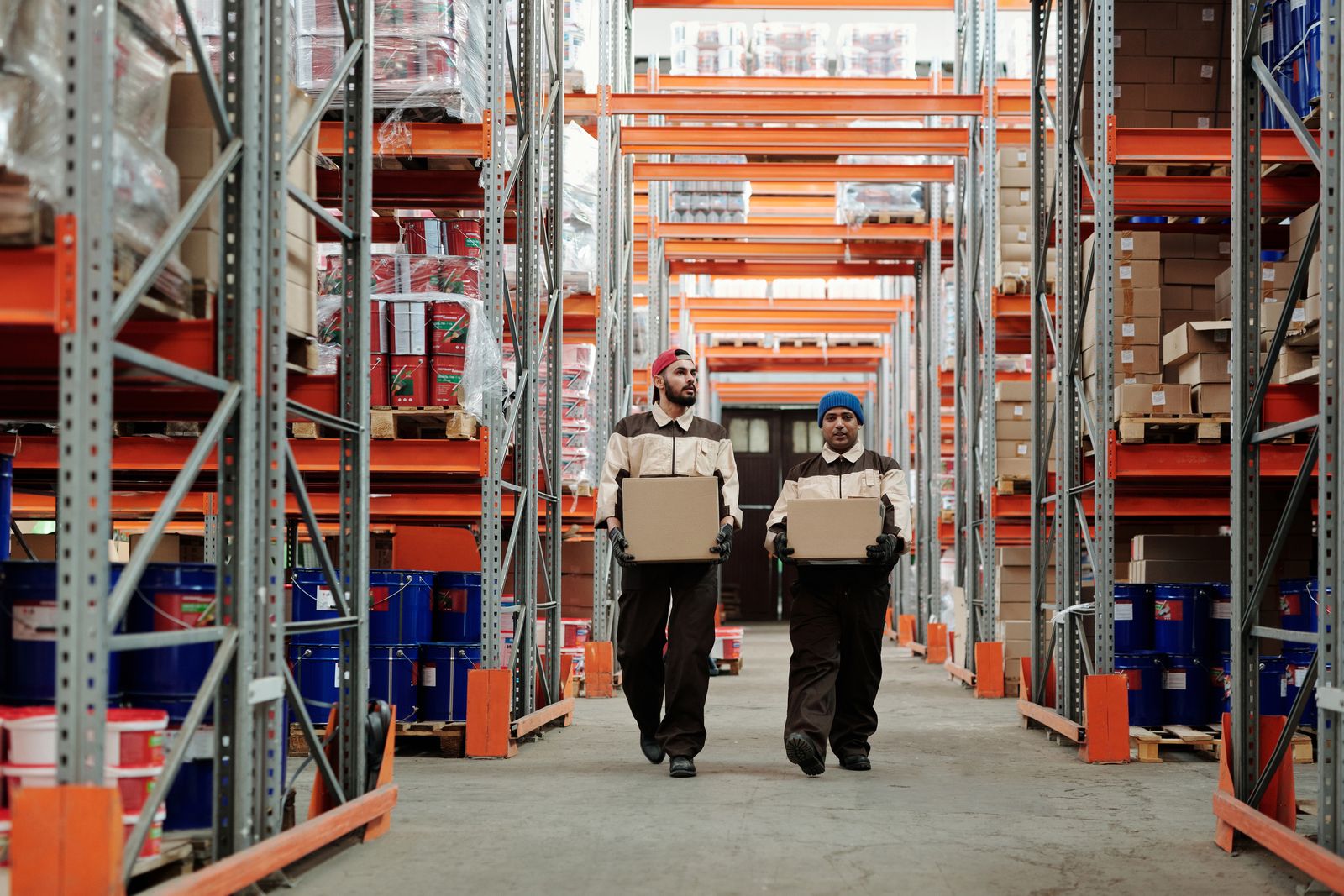
In a Columbus distribution building, the overstocks rarely sit in a quiet corner waiting to be sold. They sit in the same racking as the stock the building ships every day — a few bays of slow cases behind the fast movers, reserve pallets above the pick face, returned goods in a handling area that never fully empties. A company-wide excess report pulled from that building counts all of it at once, including units that have not yet been isolated for sale. Until the offered goods are separated from the working flow, the number on that report is a snapshot of a moving target, not a lot.
A company-wide excess report is not a lot yet
The city's own buying page draws the line plainly: for stock spread across fulfillment, reserve storage, and returns handling, keep the available quantity at each origin visible, and state whether the goods are reserved, counted, or subject to ongoing picking. Each of those states means something different to surplus inventory buyers. Stock allocated to open orders is spoken for. Stock in the pick face is being drawn down by design. Stock in reserve may be available in full — or may be the buffer the operation still intends to use. A submission that merges the three into one total asks a reviewer to price quantities that could legally and physically shrink before a truck is ever booked.
Isolation is the step that turns the report into a lot. It has two halves, and both matter. In the system, the offered SKUs are flagged so pickers stop drawing against them — an allocation hold, a separate location code, whatever the building's own system uses, as long as the count is frozen by rule rather than by intention. On the floor, the goods are gathered or marked where they sit, so the physical stock and the frozen count describe the same units. A hold without a floor check freezes numbers that may already be wrong; a floor pile without a system hold gets picked from the next busy morning. Companies that buy excess inventory have seen both failures, and excess inventory liquidation reviews price them as the same risk.
Isolate each format where it actually lives
Full cases isolate cleanly: count the cases, state the units per case, and mark the bays or pallets as held. Returns pallets isolate differently — the pallet is the unit, and its inspection or testing status travels with it, because a returns area that keeps receiving goods will quietly change an unmarked lot. Keep returns, shelf pulls, and factory-packed cases distinguishable in the manifest, as the general merchandise inventory in Columbus page requires for mixed lots: a pallet position count is useful for warehouse planning, but it does not identify the products or the condition inside the load.

The category detail survives isolation intact. Apparel keeps its style and size quantities rather than collapsing into a unit total. Electronics keep models, accessories, and testing information, separated into working, untested, and known-problem groups. Tools keep kit completeness and product identifiers. Food and beverages keep the original date wording and package-date groups, with storage history — and a warehouse clearance date stays a separate field, not a substitute for the date on the package. Isolation changes who may touch the stock; it does not change what the stock is, and a buyer asked to buy closeout inventory is reading for both facts at once.
Groveport is not Dublin: isolate at each origin separately
Central Ohio stock rarely sits in one building. The buying coverage runs across Groveport, West Jefferson, Dublin, and central Ohio, and a downtown address, a southeast industrial property, and a Rickenbacker-area distribution building are not interchangeable origins — each carries its own entrance, appointment rules, and release contact. Isolation is therefore per address: the hold, the count, and the held quantity belong to the building where the goods physically sit, reviewed through the Columbus buying market page. A combined unit count across three buildings shows none of that, and a company that uses Columbus as its regional name may store the actual inventory in a neighboring municipality entirely.
Two local references need the same separation. Rickenbacker International Airport and the logistics facilities around it are regional geography, not custody: if merchandise is still under a terminal provider's control, say so and name the release authorization and any transfer still needed; if it has reached an ordinary warehouse, the warehouse address is the origin. And resist consolidating early to make the lot look tidy — a proposed consolidation is not a completed load. If stock will be moved to one building before release, name the final location and the party responsible for moving it, and isolate at each origin until then. I-70, I-71, and I-270 orient the region — Romeoville sits west-northwest of Columbus, roughly 290 miles in a straight line — but that orientation is not routed truck mileage, a freight quote, or a collection-time promise, and a nearby interchange establishes neither a loading appointment nor a forklift. A business searching "closeout buyers near me" is searching for a nationwide buyer, and when that buyer says "we buy closeouts," the claim is executed from Romeoville, Illinois — LiquidationBuyout has no Columbus receiving branch, and no automatic regional pickup schedule follows from both cities being in the Midwest.
What isolation does — and does not — change
An isolated lot moves through review on stable facts: the submission through the excess inventory buyers in Columbus page carries SKU-level quantities, case packs, and condition groups that are no longer draining into live orders; brand, UPC, and current photographs of the held stock itself; inventory age and known defects; the warehouse address with pallet dimensions, weights, and loading access; asking price, deadline, and partial-lot preferences; and ownership, restrictions, and the authorized release contact. If part of the building stages goods in an unheated or weather-exposed space, describe those conditions as they actually are for the products involved — purchase terms and the transport plan should address the same ready quantity, not different assumptions about where it waited.
Isolation does not rewrite the terms around the lot. No universal minimum is published — a single slow-moving SKU pulled from the pick face, or a mixed assortment of closeout inventory gathered from reserve, can be submitted, and suitability depends on the products, condition, and movement requirements. No offer is guaranteed, and none is promised to match original cost or retail value. A stated deadline helps the review, but an inquiry does not reserve transport, and proximity does not create a same-day collection entitlement. Before any agreed collection, the final manifest is reconciled with the physical held stock and any changes are reported before dispatch. The formats stay distinct, in the approved form: We buy returns, overstock and shelf pulls — never salvage. A seller deciding where to liquidate inventory out of a working building will find that the hold is what lets a buyer price the lot as offered — whether the route in was inventory liquidation services, a single inventory liquidation service, or a plan to buy surplus inventory out of reserve storage.
Frequently asked questions
Our excess stock is still in the pick face and gets picked daily. Can we submit it?
Yes — state that it is subject to ongoing picking, and give the quantity as of a named date. The review runs faster once the offered SKUs are placed on hold so the count stops moving; until then the figure is a dated snapshot, and it should be labeled as one.
Do we have to move the lot to a separate area of the warehouse?
No. Isolation can be a system hold plus marked bays or pallets where the stock already sits. What matters is that picking stops drawing against the offered quantities and that the physical stock and the frozen count describe the same units.
Our system shows one total across Groveport, West Jefferson, and Dublin. Is that enough?
Not on its own. Give each address its own quantities, condition groups, and release contact, and say whether the sites are reviewed together or can be considered separately. A combined total does not show which inventory is accessible at which building.
Some of our goods are still held near Rickenbacker under a cargo provider. How do we list them?
As a separate group with their current custodian, the release authorization, and any transfer to an ordinary warehouse still required. The airport is a logistics reference, not the lot's address and not a LiquidationBuyout facility.
Should we consolidate everything into one building before submitting?
Not before a purchase is agreed, unless the move is planned and described. Consolidating early adds handling and cost outside the offering. Submit each origin as it sits, and name the final location and the party responsible if consolidation is intended.
Is there a minimum lot size, and does isolating the lot guarantee an offer?
No universal minimum is published: a single SKU or a mixed assortment can be submitted, and suitability depends on the products, condition, and movement requirements. Isolation makes the quantities dependable but does not guarantee an offer; price, payment, and collection for an accepted lot are confirmed in the written agreement.
Freeze the count, then send the list
Run one check before the submission leaves the building: for every line, could a reviewer tell whether the stock is held, reserved, or still being picked — and at which address? Whether the search that brought you here was for inventory liquidation, a buyer to buy overstock inventory out of a fulfillment building, or simply the excess inventory buyers hub itself, that held-or-moving status is what the review prices. Sellers holding Central Ohio stock can submit your inventory for review with the isolation already done, whether the goal is to sell excess inventory from one building or clear a multi-site assortment. Questions first: info@liquidationbuyout.com or (630) 440-0889 — LiquidationBuyout.com, 1305 Marquette Dr, Romeoville, IL 60446, buying excess inventory in Columbus and nationwide.