Inventory Liquidation Buyers: How Businesses Sell Excess Stock
Inventory liquidation buyers purchase excess stock directly from businesses. See what LiquidationBuyout.com buys — full-case branded goods — what it will not buy, how the review works, and what decides an offer.
LiquidationBuyout.com is a nationwide buyer of excess inventory, overstock, and closeouts, based at 1305 Marquette Dr, Romeoville, IL 60446. It buys full-case branded-manufacturer goods directly from manufacturers, brands, retailers, distributors, and e-commerce sellers — not customer returns, mixed pallets, shelf pulls, or salvage. Each lot is reviewed individually on category, condition, quantity, and warehouse location before an offer is discussed, and purchase terms are confirmed in the written agreement.
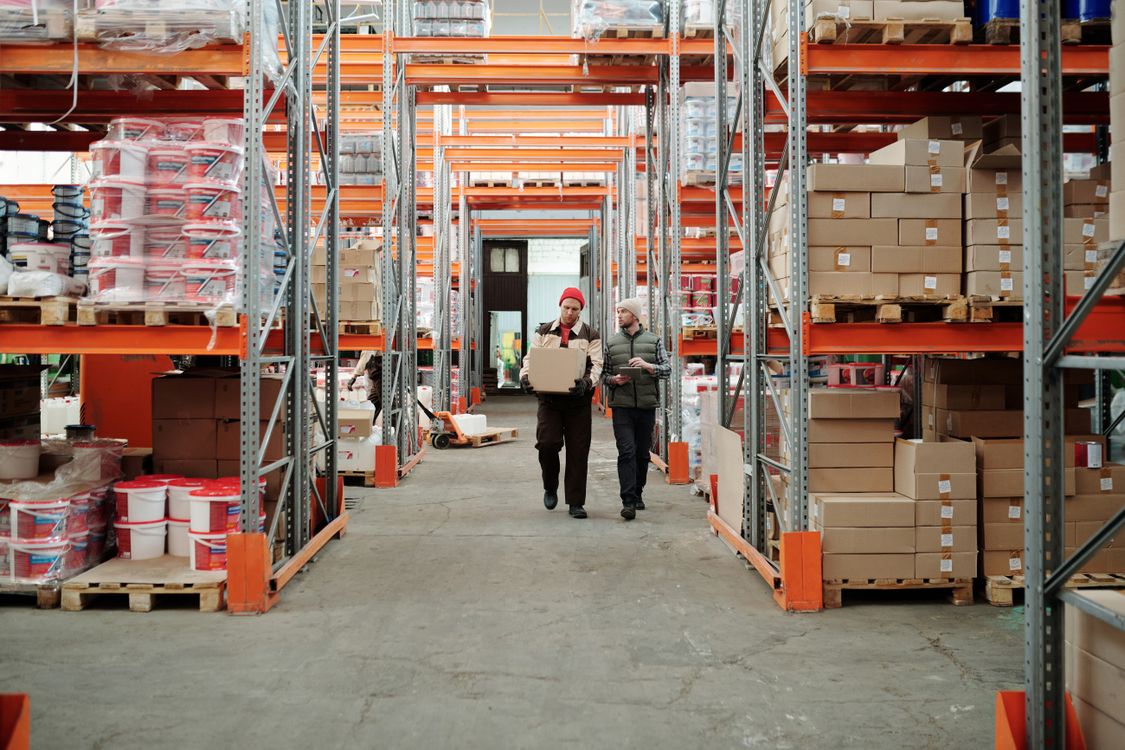
Every warehouse has a corner where good product goes to stop moving. A product line gets discontinued. A retailer cancels an order. A seasonal run sells through most of the way and leaves full cases behind. The goods are not damaged and they are not worthless — they are simply no longer part of the plan, and every month they sit, they tie up space and capital that the business needs somewhere else.
That is the problem inventory liquidation buyers exist to solve. This guide explains what professional buyers actually purchase, what they will not touch, how a review works, and what decides an offer — so you can judge whether selling your excess stock to a direct buyer is the right move for your business.
What do inventory liquidation buyers actually do?
Inventory liquidation buyers purchase excess stock directly from the business that owns it. Instead of listing products one at a time, running a clearance event, or paying to store goods that are not selling, the seller moves the entire lot in a single transaction. Professional inventory liquidators and closeout buyers evaluate the lot as a whole — what the products are, how many full cases exist, what condition they are in, and where they sit — and then decide whether to make an offer.
Businesses find these buyers under several names, because the work overlaps: inventory buyers, inventory liquidation buyers, closeout buyers, and buyout liquidation firms all describe companies that buy surplus stock for resale through their own channels. The details matter more than the label. A direct buyer purchases the goods outright under a written agreement; a broker or listing service does not. LiquidationBuyout.com is a direct buyer — when an offer is agreed, the purchase, payment, and release terms are set out in the agreement itself.
What LiquidationBuyout buys — and what it does not buy
LiquidationBuyout buys finished consumer goods in bulk, in full cases, from authorized businesses. The strongest fit is branded-manufacturer inventory: overruns, discontinued lines, packaging changes, canceled orders, and seasonal overstock that is still in its original case packaging. The site's buying categories cover home and housewares, health and beauty, toys and games, apparel and accessories, electronics accessories, tools and hardware, sporting goods and outdoor products, general merchandise, food and beverages, and licensed merchandise.
The exclusions are just as important, and they are plain: LiquidationBuyout does not buy customer returns, mixed liquidation pallets, shelf pulls, or salvage goods, and it does not sell retailer return pallets to anyone. That line protects both sides. A seller with clean, full-case branded stock is not competing against damaged return merchandise for a buyer's attention, and buyers further down the chain know the goods they receive are consistent, case-packed product rather than a gamble on mixed lots.
Acceptance still depends on the individual lot. Category, condition, quantity, resale potential, and any brand or distribution restrictions all factor in, and regulated or dated goods require additional detail. Not every submission receives an offer — a direct answer early is worth more than a vague maybe that wastes your warehouse team's time.
Who sells to inventory liquidation buyers?
The sellers are ordinary businesses at ordinary turning points:
- Manufacturers with finished-goods overruns or a discontinued SKU still sitting in cases. Surplus production is the classic manufacturer closeout, and it is usually the cleanest full-case inventory a buyer sees.
- Brands and retailers clearing discontinued products, packaging changes, and retail closeouts, often with channel or geographic restrictions they need respected.
- Distributors whose customers' demand shifted, leaving full cases of product with nowhere contracted to go.
- Amazon and e-commerce sellers holding excess inventory, discontinued listings, or removal stock that is accruing storage fees instead of selling.
- 3PL warehouses holding authorized inventory, rejected shipments, or unclaimed goods — once the right to sell has been established.
- Liquidators and bankruptcy estates disposing of merchandise from business closures, where the seller is authorized to offer the goods for sale.
If your situation matches one of those, the relevant starting points are the excess inventory buyers hub for overstock generally, manufacturer closeouts for production surplus, business liquidation buyers for closures and estates, and Amazon inventory buyers for e-commerce stock.
How does the review process work?
The process is the same whether the lot is one product line or an entire warehouse, and it has three steps.
Step 1 — Tell us what you have. Submit your inventory list with quantities, condition, and warehouse location. Photos and target pricing help the review, and so do the practical details: pickup ZIP code, pallet count, warehouse access, and your deadline. The more complete the manifest, the fewer rounds of follow-up questions stand between you and a decision.

Step 2 — Review a direct offer. The team assesses the lot and may request more information before discussing an offer. Pricing, sale conditions, and any distribution requirements are discussed with you directly — this is the stage to raise brand-protection concerns, because restrictions can only be honored if they are reviewed before an agreement, not after.
Step 3 — Agree terms and move it out. Once the purchase is agreed, payment, release requirements, and a collection plan that fits your warehouse are confirmed. Terms that are not published as standard policy are confirmed in the written agreement for your specific lot — that document, not a webpage, is what governs the transaction.
What decides the value of liquidation closeouts?
Sellers often ask why an offer on liquidation closeouts is not simply a fixed percentage of retail value. The honest answer is that original retail value alone does not determine an offer. Buyers weigh resale demand for the specific products, the condition and completeness of the cases, the quantities available, expiration or season dates where they apply, any restrictions on where the goods may be resold, and the transportation cost of moving the lot from your warehouse. A full truckload of current, case-packed branded goods in one location is a very different proposition from the same retail value scattered in partial cases across three facilities.
That is also why there is no universal minimum quantity. Suitability depends on the product and the overall economics, including transportation, so each opportunity is reviewed individually. Send the lot size you have available; a small, clean, well-documented lot can be easier to place than a large undocumented one.
Can a buyer protect your existing sales channels?
Yes — if the requirements are raised early and written down. Tell the buyer your requirements before an offer is agreed: channel restrictions, geographic limits, or brand-handling rules must be reviewed and included in the written agreement. They are not automatically guaranteed, and no seller should accept a verbal assurance on this point from any buyer. Getting the restriction into the agreement is what makes it enforceable, and a professional buyer will expect the conversation rather than dodge it.
Frequently asked questions
What types of inventory can I submit?
You can submit overstock, closeouts, discontinued merchandise, canceled orders, and other excess consumer goods in full cases. Acceptance depends on the category, condition, quantity, resale potential, and any restrictions attached to the goods.
Do you buy inventory outside your local area?
Yes. LiquidationBuyout reviews inventory opportunities across the United States from its base in Romeoville, Illinois — there is no local-only territory. Include the pickup ZIP code, pallet count, and warehouse access details with your submission so logistics can be considered alongside the offer.
Do you buy customer returns or liquidation pallets?
No. LiquidationBuyout buys full-case branded-manufacturer goods only. Customer returns, mixed pallets, shelf pulls, and salvage are outside the model — stating that plainly saves sellers with return merchandise from a review that cannot end in an offer.
Is there a minimum quantity?
There is no universal minimum. Suitability depends on the product and the overall economics of the lot, including transportation, so send the quantity you have and let the review decide.
How much is my excess inventory worth?
Value depends on resale demand, condition, quantities, dates, restrictions, and transportation — not on retail price alone. Provide a manifest and a target price if you have one; the review will tell you what the lot can support.
Can I submit goods held at a 3PL or from a bankruptcy estate?
Yes, provided you are authorized to offer the goods for sale. Identify the owner and the seller, any release requirements, and any approvals the sale needs, so the review can proceed without a paperwork stall later.
How and when is payment made?
Payment and release terms are confirmed in the written agreement for your lot before the purchase proceeds. LiquidationBuyout does not publish a standard payment timeline, because terms are set per transaction in that agreement.
Ready to clear the lot?
If full cases of branded inventory are sitting in your warehouse costing you space, the next step is a submission, not a storage renewal. Submit your inventory for review with your list, quantities, condition, location, and deadline, and the team will evaluate the lot and respond with next steps. Questions first? Contact LiquidationBuyout.com at info@liquidationbuyout.com or (630) 440-0889 — LiquidationBuyout.com, 1305 Marquette Dr, Romeoville, IL 60446, buying excess inventory nationwide.